Lebanon · Lebanese cuisine (Levant)
Hummus bi tahina
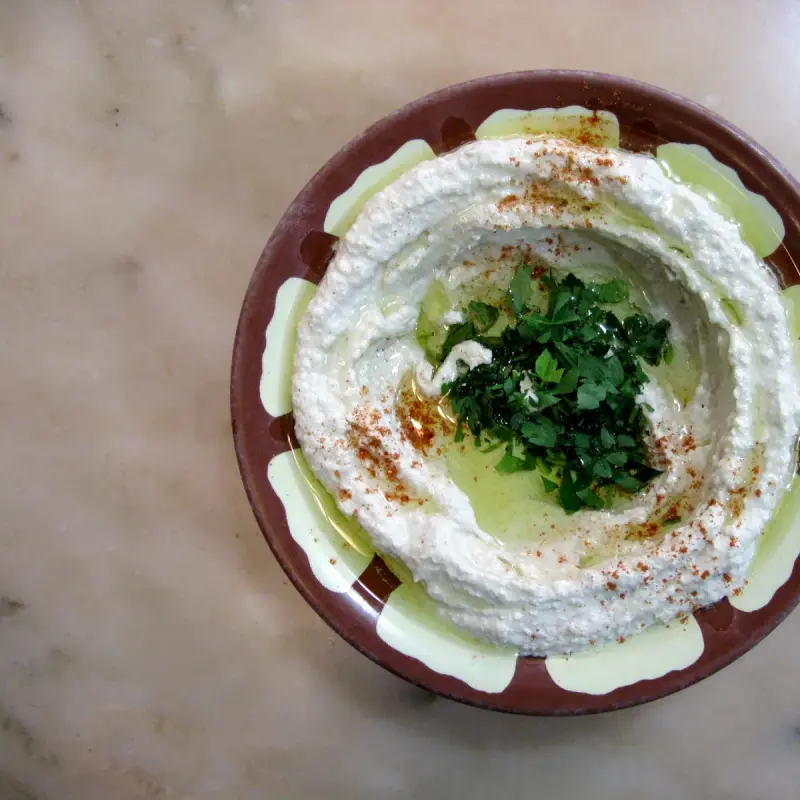
A smooth Levantine dip of chickpeas, tahini, lemon juice and garlic, loosened with ice-cold water and finished with olive oil, for the mezze table.
Cookhuddle Editorial Cookhuddle | Lebanon
Editorial selection: recipes cross-checked against several documentary sources. They have not been tested in our kitchen: follow the precautions given and adapt times to your own oven.
original Original text, written in English.
Read this recipe inEnglish · originalespañol · translationfrançais · translationDeutsch · translation
- Servings
- 6
- Preparation
- 20 min
- Cooking
- 0 min
- Total
- 20 min
- Difficulty
- Easy
Cuisine / tradition: Lebanese cuisine (Levant) (LB) — declared by the author
- Starter
- Sauce or condiment
Ingredients
For 6 servings
- 400 g cooked chickpeas (about 150 g dried), drained, cooking liquid kept
- 100 g tahini (sesame paste)
- 60 ml lemon juice (about 2 lemons)
- 2 clove garlic
- 1 tsp salt
- 1/2 tsp ground cumin (optional)
- 60 ml ice-cold water or chickpea cooking liquid, as needed
- 2 tbsp extra-virgin olive oil, to serve
- 1/2 tsp paprika, to serve
- 1 tbsp chopped parsley, to serve
Method
- Step 1. Drain the chickpeas and keep the liquid. If you have the patience, rub them in a cloth to remove the skins: the hummus will be smoother. Set aside 2 tablespoons of whole chickpeas for serving.
- Step 2. Blend the chickpeas with the tahini, lemon juice, garlic, salt and cumin until very smooth, stopping to scrape the sides.⏱ 4 min
- Step 3. With the motor running, add the ice-cold water or the cooking liquid a spoonful at a time until the texture is silky and pale. Taste and adjust the salt and the lemon.
- Step 4. Spread in a shallow bowl, make a hollow in the middle and fill it with the olive oil. Sprinkle with the paprika, the parsley and the reserved chickpeas.
Story and cultural note
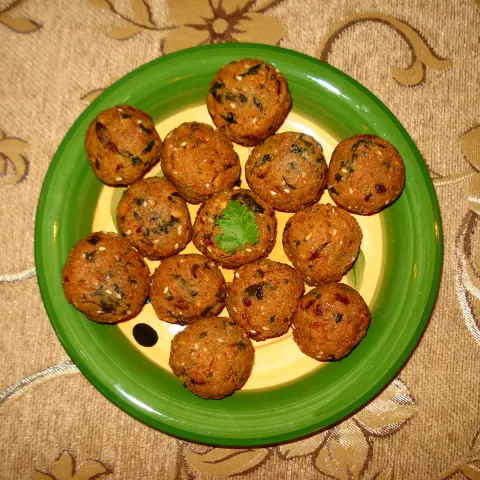
The full Arabic name is hummus bi tahina, 'chickpeas with tahini'. Its exact origin is unclear: chickpeas and sesame were eaten together in Egypt and the Levant for centuries, the earliest mention of a similar dish is in a 13th-century cookbook, and a Lebanese cookbook of 1885 already describes it close to today's form. Several countries of the region claim it, and Lebanon holds a Guinness record for the largest dish, made in 2010 near Beirut. It is eaten warm or cool with flatbread as part of a mezze, or with falafel and grilled meats.
Tips for success
For a very smooth hummus, peel the chickpeas and blend for several minutes, adding the ice-cold water or the cooking liquid a spoonful at a time. If you start from dried chickpeas, soak 150 g overnight and cook them until they crush easily between two fingers (about 1 hour 30), which gives roughly 400 g. Beating the tahini with the lemon juice first gives a paler, creamier result.
Serving and presentation
Spread it in a shallow bowl, make a hollow with the back of a spoon, fill it with olive oil and sprinkle with paprika, parsley and a few whole chickpeas. Serve with warm pita, raw vegetables and olives.
Diet and allergens
Information declared by the author. CookHuddle does not verify or certify it. If you have an allergy, check the ingredients yourself.
DietVegetarianVeganGluten-freeDairy-freeEgg-freeNut-free
ContainsSesame